
Could your batteries start a fire? As lithium-ion batteries have become more common, a fairly rare but serious threat has emerged. Under the right (or wrong) conditions, these batteries can start fires. Brush up on lithium-ion battery safety so you can keep yourself, your family and your business safe.
How Are Lithium-Ion Batteries Used?
Lithium-ion batteries are recharging batteries that use lithium ions. Because they are rechargeable and provide significant energy, they are common in many different devices. You likely have many lithium-ion-powered devices around you right now, including your laptop and smartphone. Cameras, tablets, wireless headphones and many other electronic gadgets and toys are also powered with lithium-ion batteries.
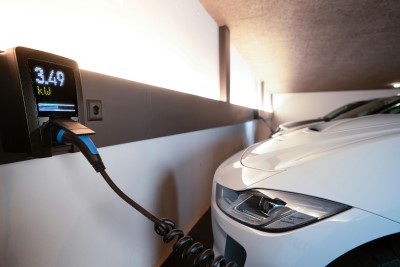
Lithium-ion batteries are also used in electric and hybrid vehicles, as well as electric bikes and scooters.
How Do Lithium Batteries Start Fires?
In one example, MSN showed a video of a man who accidentally dropped a dumbbell on his phone while working out at a gym, crushing it and the battery inside. The phone immediately started smoking.
There have also been reports of electric vehicles catching fire after floods. According to the NHTSA, around 36 electric vehicles caught fire after Hurricane Ian struck in 2022. Some of the fires occurred while the electric vehicles were being towed. There have also been reports of electric vehicles catching fire after accidental submersion, for example, on a boat ramp.
The National Fire Protection Association (NFPA) explains that lithium-ion batters can catch fire or even explode when they are damaged or improperly used, charged or stored. Fires can happen due to physical damage, such as if the battery is penetrated or crushed, or after exposure to water. Other causes of lithium-ion battery fires include exposure to extreme temperatures, electrical damage from overcharging or charging using the wrong equipment, and product defects.
How to Use Lithium-Ion Batteries Safely
When using devices with lithium-ion batteries, it’s important to follow some basic safety practices.
- Use charging equipment that is compatible with your device, ideally the equipment that came with the device, and stop charging once the battery is full.
- If you have to buy new batteries, look for certification that shows they have been tested by a nationally recognized testing laboratory. Cheap, poorly made batteries may cause fires due to manufacturing defects.
- Do not use a damaged charger or a battery that appears damaged, is excessively hot, makes popping sounds, has a strange odor, swells, or changes color.
- If a flood is expected, disconnect your lithium-ion battery devices and try to move them to an area that is unlikely to experience flooding. If possible, move electric vehicles to higher ground.
- Exercise caution around damaged or flooded batteries. Even if there is no sign of fire yet, a fire is possible. A flooded electric vehicle parked next to your house or a damaged device put in a drawer could cause a fire.
- Contact your fire department or waste management department for information on how to dispose of damaged or flooded lithium-ion batteries.
- If an electric vehicle floods, do not drive it. Contact your insurer and watch for signs of fire or smoke. If it’s possible to do so safely, tow the vehicle away from houses or other buildings and combustible items.
- Call 911 in the event of a fire. The NFPA says, contrary to common misconceptions, firefighters can use water to extinguish lithium-ion battery fires.
For more tips on how to stay safe around lithium-ion batteries, see the NFPA’s lithium-ion battery page.
Do you have sufficient insurance to protect your home, car or business? An insurance agent can help you review your coverage. Find an agent.